

Person planning European relocation with travel guides and laptop
📖 Guides & Resources

Essential Relocation Guides

Everything you need to plan your move to Europe — visas, housing, jobs, and more.

Traveler with backpack exploring European city streets and landmarks
🌍 Complete Guide

The Complete Guide to Moving to Europe in 2026

Planning a move to Europe? This comprehensive guide covers everything from choosing the right country and city, navigating visa requirements, finding housing, opening bank accounts, understanding healthcare systems, and settling into your new European life. We cover both EU and non-EU citizen pathways with step-by-step instructions.

📅 Updated January 2026 ⏱️ 15 min read

1. Choose Your Destination

Consider factors like climate, cost of living, language, job market, and lifestyle. Use our city comparison tool to narrow down options. Popular choices for English speakers include the Netherlands, Germany, Portugal, and Scandinavian countries.

2. Understand Visa Requirements

EU citizens can move freely within the EU. Non-EU citizens typically need a work visa, student visa, or residence permit. Many countries now offer digital nomad visas. Check specific requirements for your chosen country well in advance — processing times can range from 4 weeks to 6 months.

3. Secure Housing

Start your housing search 2-3 months before your move. Consider short-term accommodation for the first month while you explore neighborhoods in person. Platforms like HousingAnywhere, Spotahome, and local Facebook groups are excellent resources.

4. Set Up Essentials

Upon arrival, prioritize: registering with local authorities, opening a bank account, obtaining health insurance, and getting a local SIM card. Many European countries require you to register your address within 1-2 weeks of arrival.
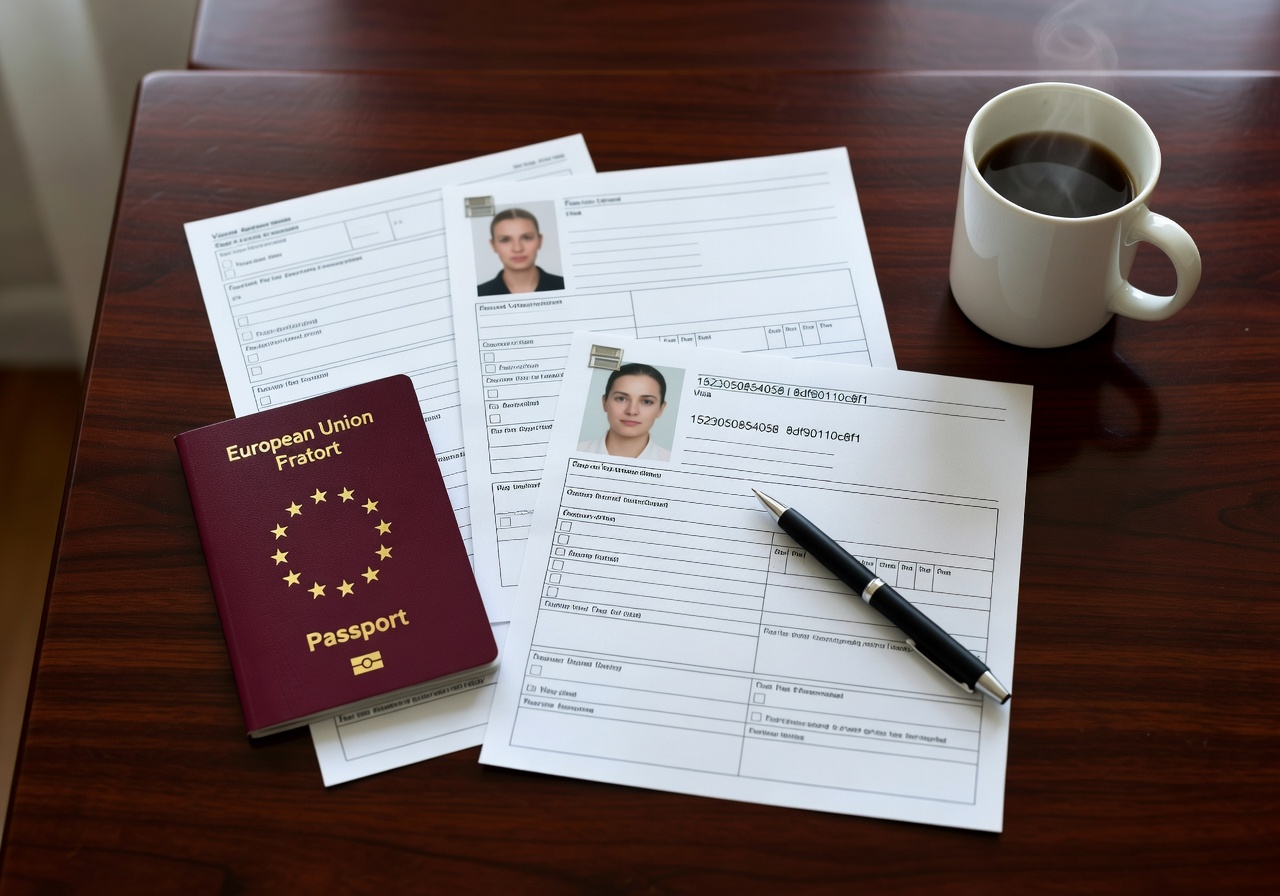

European passport documents and visa application forms for relocation
📋 Visa Tips

EU Visa Guide for Non-EU Citizens

Navigating the European visa system doesn't have to be complicated. This guide breaks down the most common visa types, requirements, and tips for a successful application.

📅 Updated February 2026 ⏱️ 12 min read

Common Visa Types

  • Blue Card: For highly skilled workers with a job offer. Available in most EU countries.
  • Student Visa: For enrolled students at EU universities. Often allows part-time work.
  • Digital Nomad Visa: Available in Portugal, Spain, Germany, Croatia, and more.
  • Freelancer Visa: Germany and Netherlands offer visas for self-employed individuals.
  • Family Reunion: If you have family members who are EU residents.

Tips for Success

Apply early, gather all documents in advance, have your documents translated and apostilled, show proof of sufficient funds, and consider hiring an immigration lawyer for complex cases.

University students studying together in modern European campus
🎓 Students

Best European Cities for Students

Europe offers some of the world's best universities, many with free or very affordable tuition. Here are the top cities for international students.

📅 Updated January 2026 ⏱️ 10 min read

Top Student Cities

  • Berlin: Free tuition at public universities, low cost of living, incredible nightlife.
  • Helsinki: Free tuition for EU students, many English-taught programs.
  • Vienna: Extremely affordable tuition (€1,500/year), rich cultural scene.
  • Prague: Very low cost of living, beautiful surroundings, growing international community.
  • Barcelona: Vibrant lifestyle, great weather, strong university network.
Modern European coworking space with professionals and remote workers
💼 Careers

Best European Cities for Jobs & Remote Work

Whether you're looking for corporate roles or remote work flexibility, Europe has incredible options for career growth.

📅 Updated February 2026 ⏱️ 11 min read

Top Cities for Careers

  • Berlin: Europe's startup capital with thousands of tech companies.
  • Amsterdam: Hub for international companies. High salaries, English-speaking offices.
  • Helsinki: Strong tech sector, gaming industry, clean energy jobs.
  • Lisbon: Booming remote work scene with affordable co-working spaces.
  • Barcelona: Growing tech hub with excellent quality of life.

Remote Work Visas

Countries like Portugal, Spain, Croatia, and Estonia now offer dedicated digital nomad visas allowing remote workers to live legally while working for foreign companies.